Gangnam has established itself as the global epicenter for aesthetic eyelid surgery, attracting thousands of international patients annually who seek expert double eyelid surgery and Asian blepharoplasty. The district’s concentrated expertise, cutting-edge techniques, and competitive pricing make it the preferred destination for those considering eyelid procedures. Discover /p>gangnamdermatologycenter.com.
Selecting the right Gangnam eyelid surgeon requires understanding surgeon qualifications, procedural options, and what distinguishes top practitioners in this highly specialized field. This guide provides actionable insights for international patients evaluating eyelid surgery options in Seoul’s premier medical district. Read about dermatologist seoul.surgeon gangnam.clinic seoul.
Why Gangnam Leads in Eyelid Surgery Excellence
Gangnam and neighboring Apgujeong contain over 500 plastic surgery clinics within a concentrated area, creating an ecosystem of surgical excellence unmatched globally. This density fosters specialization, with many surgeons performing 1,000+ eyelid procedures annually compared to 50-100 for Western counterparts. Discover /p>gangnam dermatology center.
The district’s reputation stems from several factors. Korean surgeons pioneered advanced double eyelid techniques including incisional and non-incisional methods optimized for Asian anatomy. Research published in Plastic and Reconstructive Surgery demonstrates Korean refinements in preserving natural eye shape while creating defined creases produce superior aesthetic outcomes with lower revision rates.gangnam plastic surgeon.
Board certification through the Korean Association of Plastic Surgeons (KAPS) requires rigorous training beyond general plastic surgery credentials. Top Gangnam eyelid surgeons typically complete 2-3 additional fellowship years focusing exclusively on facial and oculoplastic procedures. The Ministry of Health and Welfare (MOHW) maintains strict oversight, requiring continuous education and facility accreditation.
International patients benefit from transparent pricing structures averaging 40-60% less than comparable procedures in the US, UK, or Australia. A comprehensive double eyelid surgery with an experienced Gangnam surgeon typically costs $2,000-4,000 compared to $5,000-8,000 in Western markets, without compromising quality or safety standards.
Essential Qualifications Your Gangnam Eyelid Surgeon Must Have
Verifying credentials protects against the small minority of underqualified practitioners. Your surgeon should hold board certification from KAPS, which requires six years of surgical training including dedicated plastic surgery residency. Membership in the Korean Academy of Medical Sciences (KAMS) indicates participation in ongoing research and education.
Specialization matters significantly. Surgeons focusing primarily on eyelid and facial procedures develop nuanced understanding of periorbital anatomy, fat repositioning techniques, and crease symmetry optimization. Ask how many eyelid procedures they perform monthly—reputable specialists typically conduct 40-80 procedures.
Hospital privileges at accredited facilities signal credibility. While many procedures occur in private clinics, admitting privileges at major Seoul hospitals demonstrate peer recognition. Verify MOHW clinic licensing and review any disciplinary history through official channels. Read about main resource.
International experience enhances communication and cultural understanding. Surgeons who regularly treat Western patients better understand aesthetic preferences that may differ from Korean ideals. Look for surgeons who publish in international journals, present at global conferences, or completed training abroad.
Before-and-after portfolios reveal surgical style and consistency. Request to see results from patients with similar eye anatomy and aesthetic goals. Computer imaging during consultation helps visualize potential outcomes, though results vary individually.
Double Eyelid Surgery Techniques and Choosing Your Approach
Gangnam surgeons employ three primary double eyelid techniques, each suited to specific anatomical considerations and patient goals. Understanding these methods enables informed decision-making during consultations.
Non-Incisional Method
The non-incisional or suture technique involves creating crease through buried sutures without cutting skin. This approach suits patients with thin eyelid skin, minimal fat deposits, and desire for shorter recovery. Advantages include 3-5 day downtime, minimal scarring, and reversibility. However, studies in Aesthetic Surgery Journal indicate higher long-term revision rates (15-20%) as sutures may loosen over time, particularly in patients with thicker eyelids or significant fat deposits.
Incisional Method
The incisional technique creates permanent creases through precise skin incisions, allowing fat removal and muscle adjustment. This method produces more predictable, lasting results for patients with excess skin, fat protrusion, or asymmetry. Recovery extends to 7-14 days, but permanence rates exceed 95%. Top Gangnam surgeons achieve nearly invisible scars along natural crease lines when properly healed.
Partial Incision Method
Hybrid approaches combine non-incisional suturing with small strategic incisions for fat removal. This technique balances reduced recovery time with improved permanence over pure non-incisional methods, making it increasingly popular among international patients seeking optimal results with moderate downtime.
Your surgeon should recommend techniques based on objective assessment—eyelid thickness, skin elasticity, fat volume, and existing crease presence—rather than defaulting to one preferred method. Customization distinguishes exceptional surgeons from those applying cookie-cutter approaches.
The Consultation Process and Surgical Planning
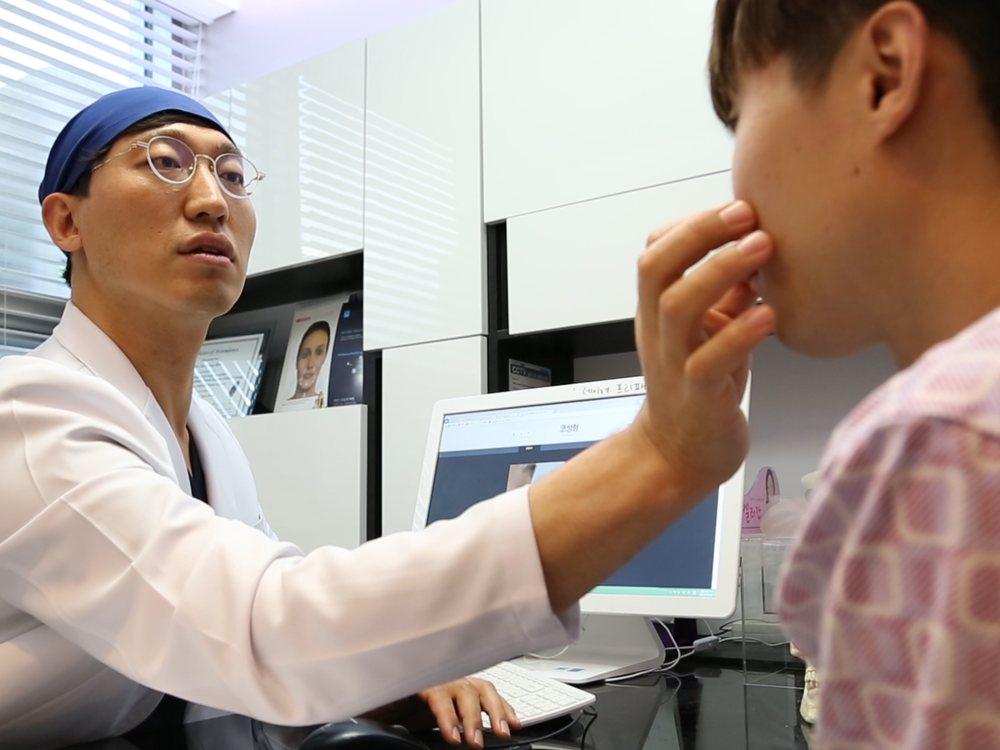
Initial consultations with top Gangnam eyelid surgeons typically last 30-45 minutes and include comprehensive evaluation beyond simple crease creation. Expect discussion of eye shape, symmetry analysis, upper lid positioning relative to pupil, and how eyelid changes interact with overall facial harmony. Read about GDS.
Communication clarity proves essential. While many Gangnam clinics employ English-speaking coordinators, ensure your surgeon directly communicates surgical plans and addresses questions. Misunderstandings about crease height, shape, or revision policies can lead to dissatisfaction despite technically successful surgery. Read about top gangnam skin clinic.
Computer imaging provides visualization tools but sets realistic expectations. Digital simulations approximate potential outcomes but cannot account for individual healing variables, tissue response, or subtle asymmetries. Surgeons who overpromise specific results or guarantee symmetry perfection should raise concerns.
Revision policies warrant clear discussion before proceeding. Reputable surgeons offer complimentary minor revisions within 3-6 months if healing issues or asymmetries develop, though major revision surgery typically incurs additional fees. Obtain written policy documentation before payment.
Pre-operative preparations include stopping blood-thinning medications, avoiding alcohol for two weeks prior, and arranging 5-7 days post-operative accommodation in Seoul. Most international patients schedule surgery 2-3 days after arrival, allowing initial swelling reduction before return travel.. Read about skin clinic seoul.
Recovery, Results, and Post-Operative Care
Understanding realistic recovery timelines prevents disappointment and enables proper trip planning. Immediate post-operative swelling peaks at 48-72 hours, with significant reduction by day 5-7. Bruising varies individually but typically resolves within 10-14 days.
Initial crease appearance seems higher and more pronounced than final results. Surgical swelling artificially elevates crease position, settling to intended height over 4-6 weeks. Complete healing and final assessment requires 3-6 months as residual tissue swelling gradually resolves.
Post-operative instructions from your Gangnam surgeon must be followed meticulously. These typically include sleeping with head elevation for one week, cold compresses for 48 hours followed by warm compresses, avoiding strenuous activity for two weeks, and protecting incisions from sun exposure for three months.
Follow-up scheduling varies by surgeon. Minimum requirements include suture removal at 5-7 days (for incisional methods), two-week check, and three-month assessment. International patients usually receive suture removal before departure, with subsequent follow-ups conducted via photo submission and video consultation.
Complication rates remain low with qualified surgeons—under 2% experience significant issues requiring intervention. Potential complications include asymmetry, excessive scarring, crease loss, or functional concerns affecting eye closure. Choosing board-certified specialists with extensive eyelid experience minimizes these risks substantially.
Long-term satisfaction rates for double eyelid surgery performed by experienced Gangnam surgeons exceed 90% according to patient surveys. Most international patients report the combination of surgical expertise, cost efficiency, and Korean post-operative care protocols exceed expectations formed from Western medical experiences.
Frequently Asked Questions
How do I verify a Gangnam eyelid surgeon’s credentials before traveling to Korea?
Request the surgeon’s Korean medical license number and verify through the MOHW website or Korean Medical Association database. Confirm KAPS board certification and check clinic accreditation status. Reputable clinics provide documentation transparently upon request.
What is the realistic minimum stay duration in Seoul for eyelid surgery?
Plan for 7-10 days minimum. This allows pre-operative consultation, surgery, initial recovery monitoring, and suture removal before departure. Some patients extend to 14 days for additional healing before long flights, though not medically necessary.
Can non-Asian patients achieve natural results with Gangnam eyelid surgeons?
Yes, experienced Gangnam surgeons regularly treat diverse ethnicities and understand anatomical variations across patient populations. Clearly communicate your aesthetic preferences during consultation, as Korean beauty standards differ from Western ideals regarding crease height and shape.
What differentiates pricing between Gangnam eyelid surgeons if qualifications are similar?
Pricing reflects surgeon experience level, clinic location within Gangnam, facility amenities, and included services. Premium surgeons with 15+ years specialization charge more than newer practitioners, though both may hold equivalent certifications. Higher fees don’t automatically guarantee superior results—evaluate portfolios and patient reviews comprehensively.
How soon can I wear makeup and contact lenses after double eyelid surgery?
Most surgeons permit light makeup application away from incision sites after 5-7 days, with full makeup resumption at two weeks. Contact lenses typically require 10-14 day waiting period to prevent infection and allow adequate initial healing around the eye area.